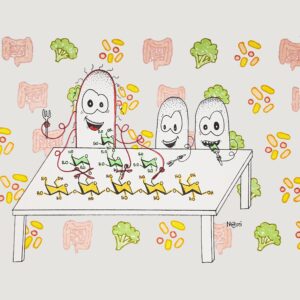

When gut bacteria ferment fibre, they do not just make waste. They make important short-chain fatty acids, like acetate, propionate and butyrate.

Some of the plant material that your body cannot digest alone becomes raw material for your gut bacteria. They break down and ferment indigestible dietary fibres and other non-digestible carbohydrates and produce these short-chain fatty acids from them.

These can serve as energy sources for colonic epithelial cells, the cells lining the colon, where they support gut barrier function and interact with the mucus layer. They are also linked to anti-inflammatory effects and help regulate gut motility and appetite. Beyond the gut, SCFAs can reach the brain and other organs, connecting gut fermentation with effects across the body.

This is why fibre is not only food for you. It is also food for your gut bacteria. And the health benefits of fibre may start with what your bacteria make from it.

Bacteria such as Bacteroides, Bifidobacterium, Blautia, Akkermansia and Faecalibacterium are all producers of short-chain fatty acids, turning food into molecules that can strengthen intestinal defences and support the gut’s protective mucus shield. So, the next time you eat fibre-rich foods, imagine the invisible kitchen in your gut, where bacteria are busy turning leftovers into molecules with important jobs.

Learn about more bacteria

The BacterialWorld and Short-chain fatty acids

Short-chain fatty acids: what gut bacteria make from fibre

Everything we eat comes into contact with the bacteria living in our gastrointestinal tract. Our commensal gut bacteria transform the incoming food into different molecules, with short-chain fatty acids being the most important ones. These small molecules interact with your gut as well as the rest of your body. Certain factors, like diet influence which molecules and how much of them gut microbes produce.
Microbial fermentation impacts our food, industry and health

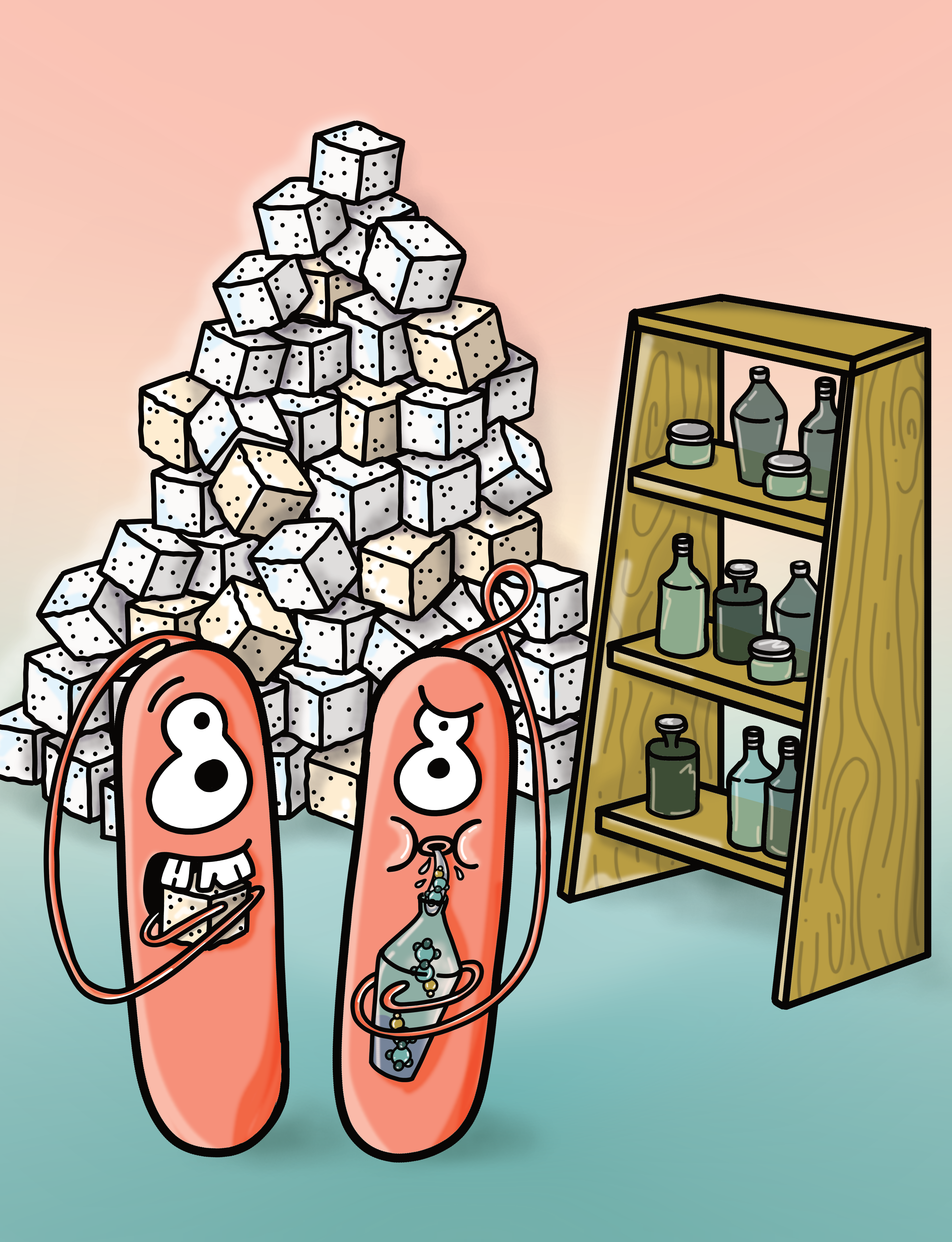
Microbial fermentation is a metabolic process that impacts our food, health and many industries. Microbes degrade substrates and convert them into fermentation products, with different species producing unique products. This process is essential in food preservation, creating diverse and complex flavours in fermented foods. Additionally, the microbes involved in fermentation can have health benefits when consumed. Microbial fermentation also plays a significant role in industrial production.

How bacteria in your gut microbiome defend pathogens

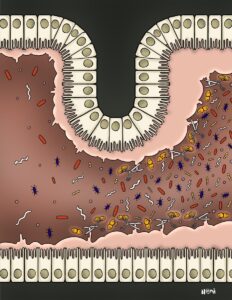
Bacteria in your gut microbiome help you digest your food, strengthen your immune system and keep you healthy. For this, your gut bacteria keep you free from gut pathogenic bacteria by fighting them with different weapons. Here, we explore some ways gut bacteria defend pathogens and how you can help them protect you.

What’s in your yogurt?

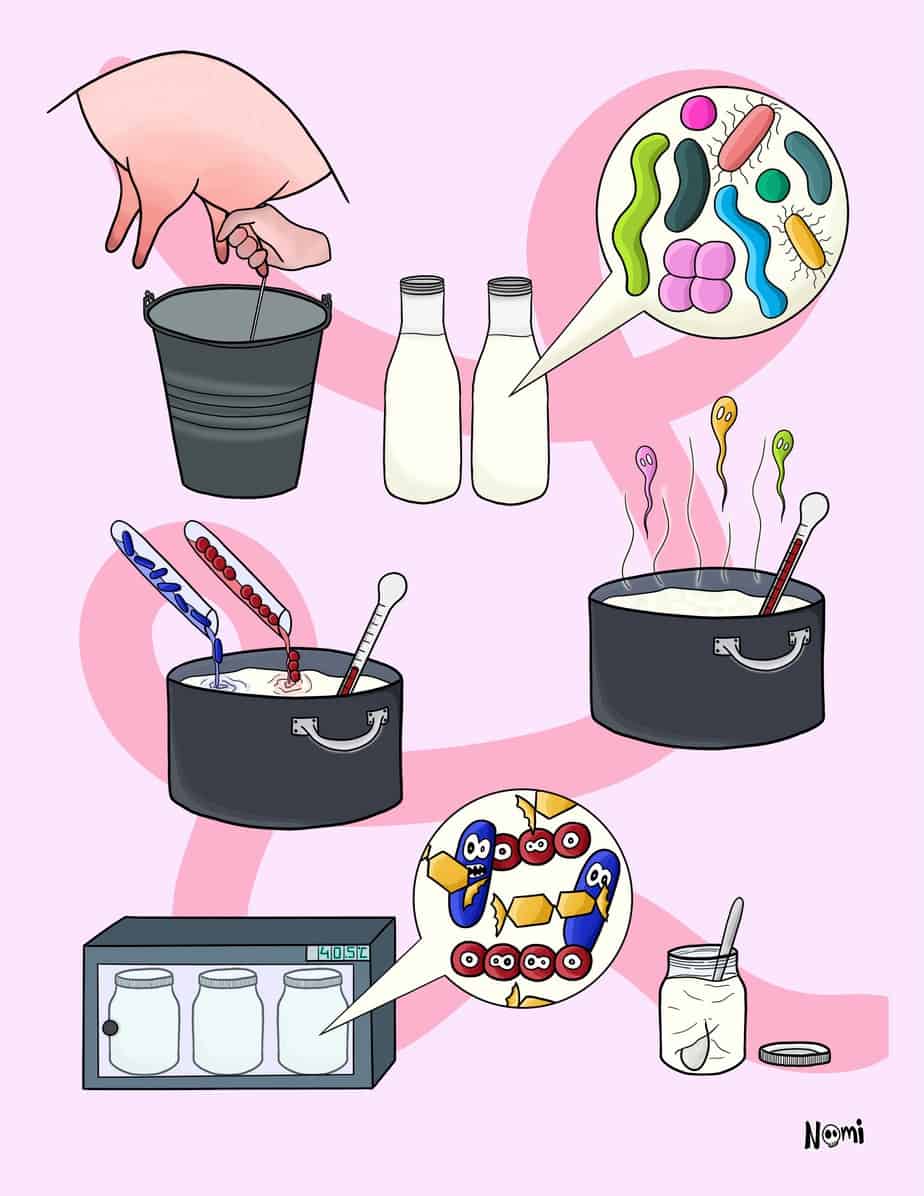
Yogurt is a well-loved fermented dairy with lots of health benefits. It not only provides us with valuable proteins and immune-stimulating molecules, but can also carry probiotic organisms. Here, we will look at the advantages of adding yogurt to your diet plan and what bacteria have to do with producing this creamy white dream.

You are what you eat: Gut bacteria share plant leftovers

When we eat plant products, we cannot always digest all their components. Instead, our gut bacteria love plant ploymers and start degrading and digesting them. And they share the leftover food with other bacteria, so that all of them together produce some very healthy molecules for us.

Bacteria have many superpowers

The incredible superpowers of bacteria: unveiling nature’s tiny heroes

Microbes and bacteria touch every aspect of our lives. They have so many superpowers that impact the environment, food production, bioremediation and even the climate. Here, we will look at 20 of the most fascinating bacterial superpowers and tell you where you might encounter them throughout your day. But don’t forget, there are plenty more.