

Streptococcus in the BacterialWorld

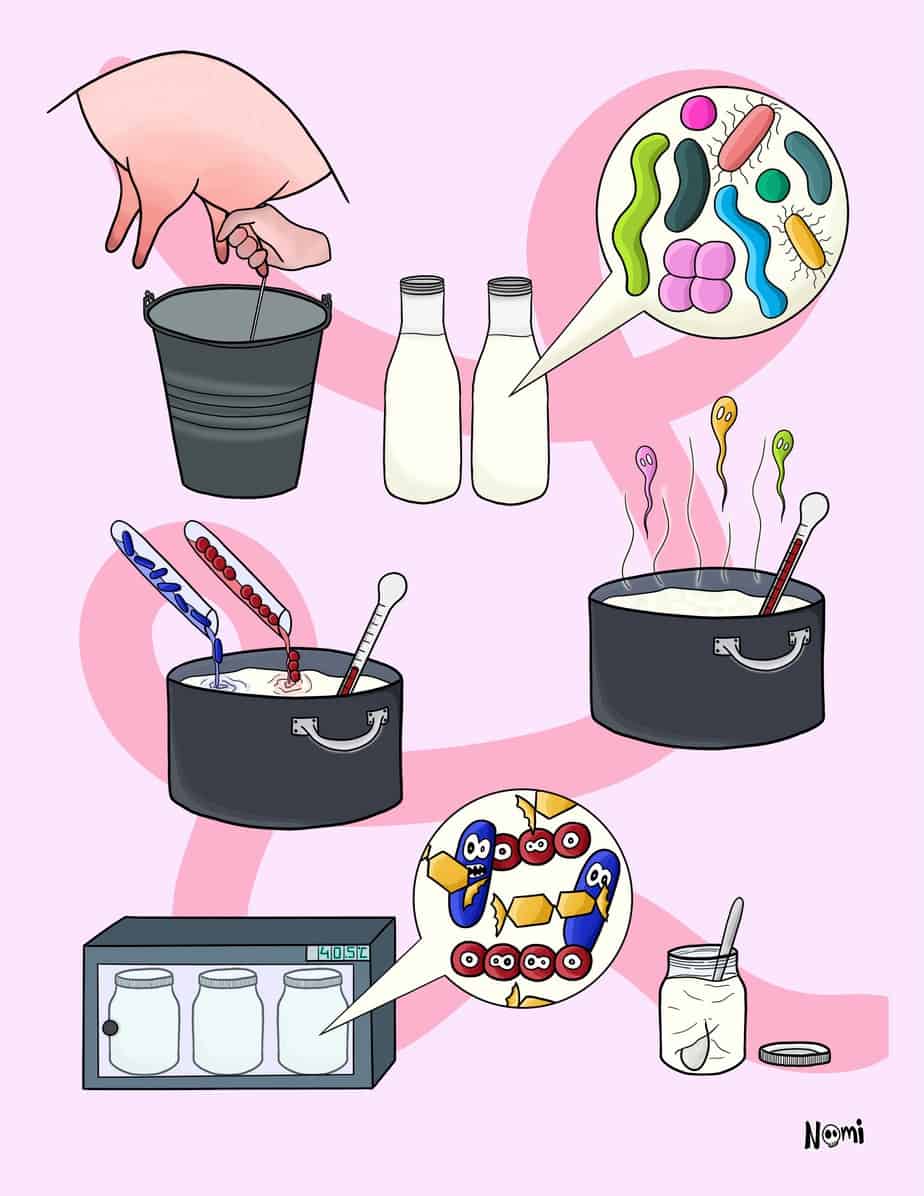
Streptococcus species are named for their spherical or seed-shaped coccus cells. One familiar example is Streptococcus thermophilus, one of the two classic yoghurt starter bacteria together with Lactobacillus delbrueckii subsp. bulgaricus. In milk, these bacteria live in a symbiotic relationship, helping each other grow and survive. They break down lactose and produce lactic acid and other molecules that shape yoghurt’s characteristic flavour.

Here, acid production is useful. It lowers the pH, makes the milk acidic and more viscous and helps create the gel-like, creamy texture of yoghurt. Early in fermentation, Streptococcus thermophilus can produce pyruvic acid, formic acid and carbon dioxide, which promotes the growth of Lactobacillus delbrueckii subsp. bulgaricus. Later, the balance shifts, with Lactobacillus delbrueckii subsp. bulgaricus inhibiting Streptococcus thermophilus.

But in the mouth, acid has a different impact. Streptococcus mutans is an oral pathogen associated with caries. Caries is not simply a bacterium “eating” holes into teeth. Sugary food can feed microbial fermentation in the mouth, and some bacteria produce strong acids from those sugars. As the environment of the tooth becomes more acidic, the enamel can lose calcium. If too much calcium is lost, the protective layer breaks and holes can form.

For this, the entire microbial community of the mouth is responsible. Streptococcus mutans can bind both to commensal bacteria and to sugars. They build biofilms from sugars, protecting themselves. More pathogenic Streptococcus in the mouth means more acid and more enamel demineralisation.

As you will see in the articles here, Streptococcus is not one simple character. It can help turn milk into yoghurt, contribute to dental disease or appear in specialised infection biology. Its story depends on context: species, site, neighbours and metabolism.

Learn about more bacteria

Comic of the different shapes of bacteria

Looking fabulous: Why bacteria need to stay in shape too

For a long time, bacteria were classified according to their shapes. With new technologies, we learned that the bacterial shapes help them survive in their environments and face harsh conditions. Spheres, rods, stars and screws: Learn about the different bacterial shapes.
What’s in your yogurt?

Yogurt is a well-loved fermented dairy with lots of health benefits. It not only provides us with valuable proteins and immune-stimulating molecules, but can also carry probiotic organisms. Here, we will look at the advantages of adding yogurt to your diet plan and what bacteria have to do with producing this creamy white dream.

Bacteria cause caries by producing an acidic environment.

How bacteria cause caries on your teeth

Bacteria in your mouth protect your teeth from pathogenic bacteria. When you eat lots of sugars, the pathogens can fight off your friendly bacteria. The more pathogenic bacteria grow on your teeth, the more acids they produce that can cause caries and cavities. Learn about the bacterial battles in your mouths.