Some places on Earth seem almost impossible for life: deep, dark oceans, hot hydrothermal vents, salty lakes, acidic waters and pressurised, nutrient-poor environments. And yet microbes live there.

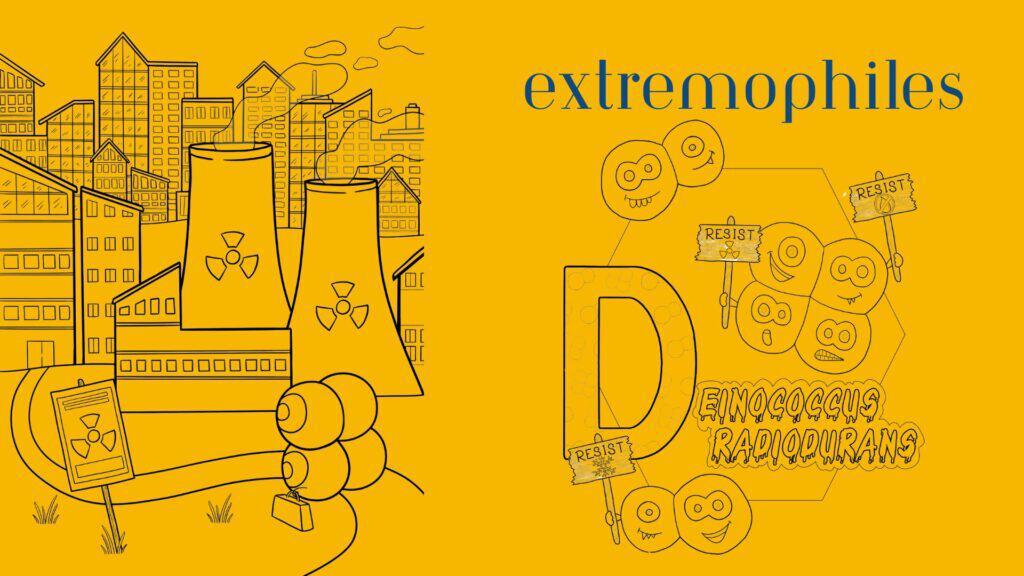
These microbes are called extremophiles. They grow in conditions that seem hostile or unliveable to us: very hot, cold, salty, acidic, dark or pressurised environments, full of toxins or low in nutrients. There are, indeed, extremophiles that call these places home.

Deep-sea extremophiles show how remarkable this can be. At the dark, cold bottom of the sea, microbes can flourish, including around hydrothermal vents. Such extreme environments can have lower but highly specialised biodiversity, which makes them useful for studying microbial diversity and biogeography, or even places outside Earth.

Thanks to their fascinating superpowers, extremophile microbes remind us that life is not limited to comfortable conditions. They have their own idea of a cosy home, where they survive, grow and shape the world in ways we would never expect life to occur.

Learn about more bacteria

The BacterialWorld and Extremophiles

Creating the colours of the rainbow: Bacteria and the vibrant world of pigments

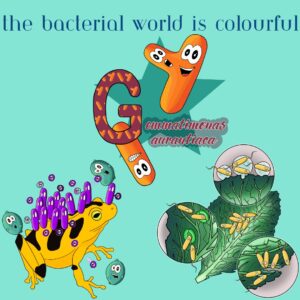
Our world as well as the bacterial world are full of vibrant colours. These colours exist thanks to biopigments; molecules able to capture light and reflect the corresponding colour. Many organisms, as well as bacteria, learned to use biopigments to harvest energy from sunlight, fight foes and adapt to new and challenging environments. Read on to learn what makes the bacterial world so colourful and why biopigments are the Earth’s life savers.


Even at the dark and cold bottom of the sea, microbes flourish

Microbes are everywhere. And some have superpowers that allow them to grow in extremely challenging and harsh environments. Especially at the dark and cold bottom of the sea, extremophiles flourish since they interact with other microbes and eat pollutants and contaminants. Interestingly, their microbial activities can also impact our global climate.

Bacteria have many superpowers

The incredible superpowers of bacteria: unveiling nature’s tiny heroes

Microbes and bacteria touch every aspect of our lives. They have so many superpowers that impact the environment, food production, bioremediation and even the climate. Here, we will look at 20 of the most fascinating bacterial superpowers and tell you where you might encounter them throughout your day. But don’t forget, there are plenty more.