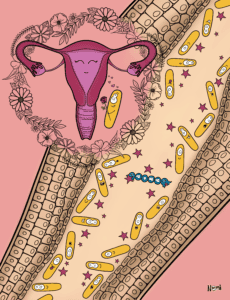
On the microbial adventures of pregnant women
Pregnancy transforms the body in remarkable ways. Some changes are obvious and you have heard of, like morning sickness and sudden cravings. Others are far

 Lactobacillus bacteria are diverse and live in many environments. They are all around our bodies, where they usually do not cause infections. But they all have one thing in common: they are masters of microbial fermentation producing lactic acid.
For example, many Lactobacillus bacteria like milk, because the sugars in the milk have a lot of energy. The bacteria have special scissors to break the milk sugars open and set free this energy. While the bacterium uses the energy to grow, we use its fermentation activity to make yoghurt.
In the vaginal tract, Lactobacillus breaks down glycogen to set free glucose, which they ferment to lactic acid and hydrogen peroxide. These molecules lower the pH, creating an acidic environment that directly kills some harmful microorganisms and hinders them from growing. Hence, by nourishing the residential Lactobacillus bacteria, the body helps them grow and in return, they protect it.
Pregnancy transforms the body in remarkable ways. Some changes are obvious and you have heard of, like morning sickness and sudden cravings. Others are far
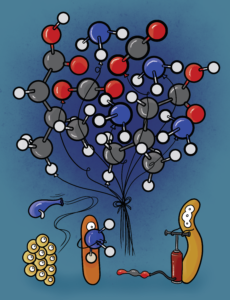
Bacteria create various smells in our world, from pleasant aromas like freshly baked bread to the less appealing ones like body odour. As bacteria produce volatile organic compounds as part of their metabolism, these contribute to the scents we encounter in our environment, food and even on our bodies. Learn about smelly examples such as the earthy scent of geosmin produced by soil bacteria, the unique aromas in fermented foods and the role of skin bacteria in creating our body odour and smelly feet.
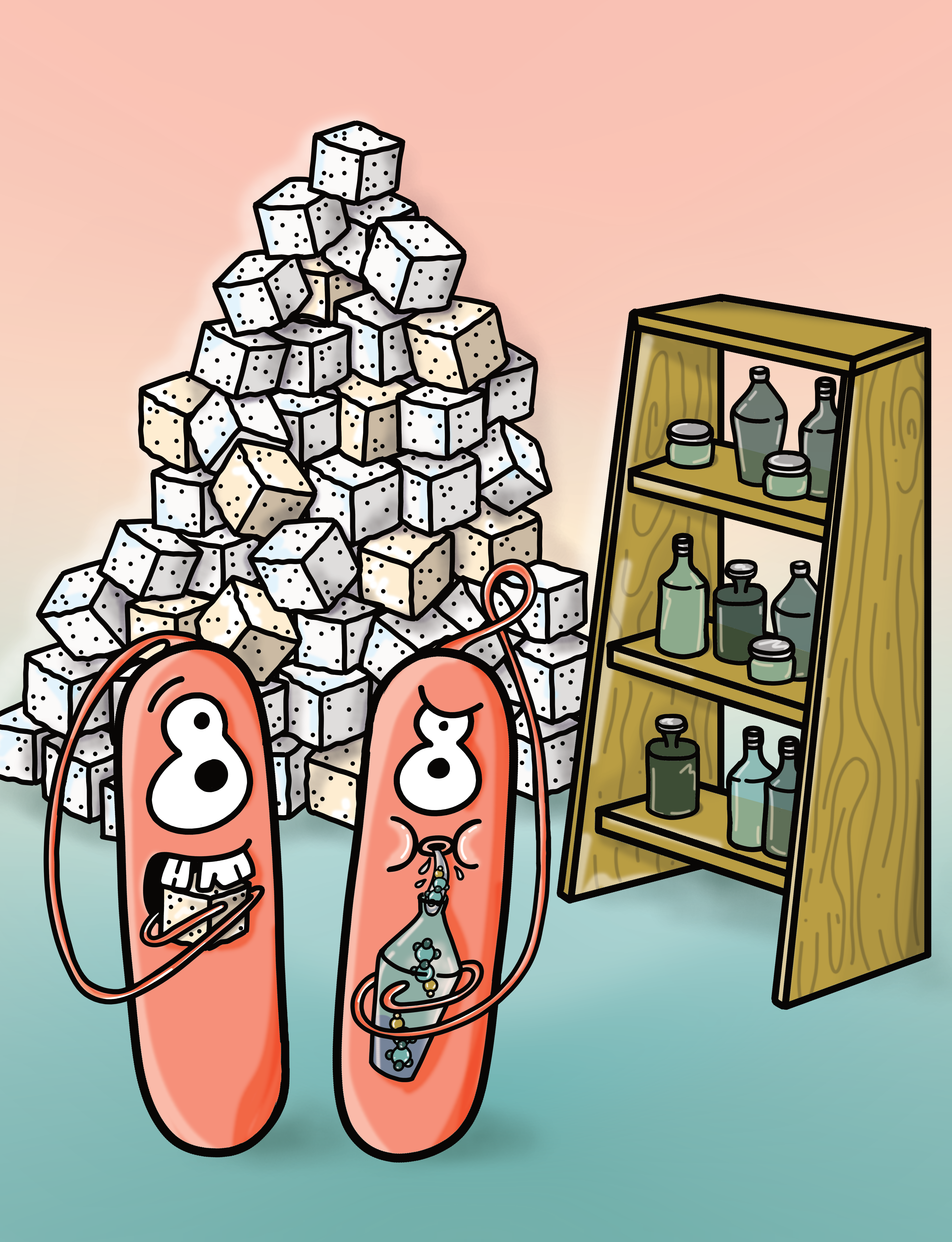
Microbial fermentation is a metabolic process that impacts our food, health and many industries. Microbes degrade substrates and convert them into fermentation products, with different species producing unique products. This process is essential in food preservation, creating diverse and complex flavours in fermented foods. Additionally, the microbes involved in fermentation can have health benefits when consumed. Microbial fermentation also plays a significant role in industrial production.
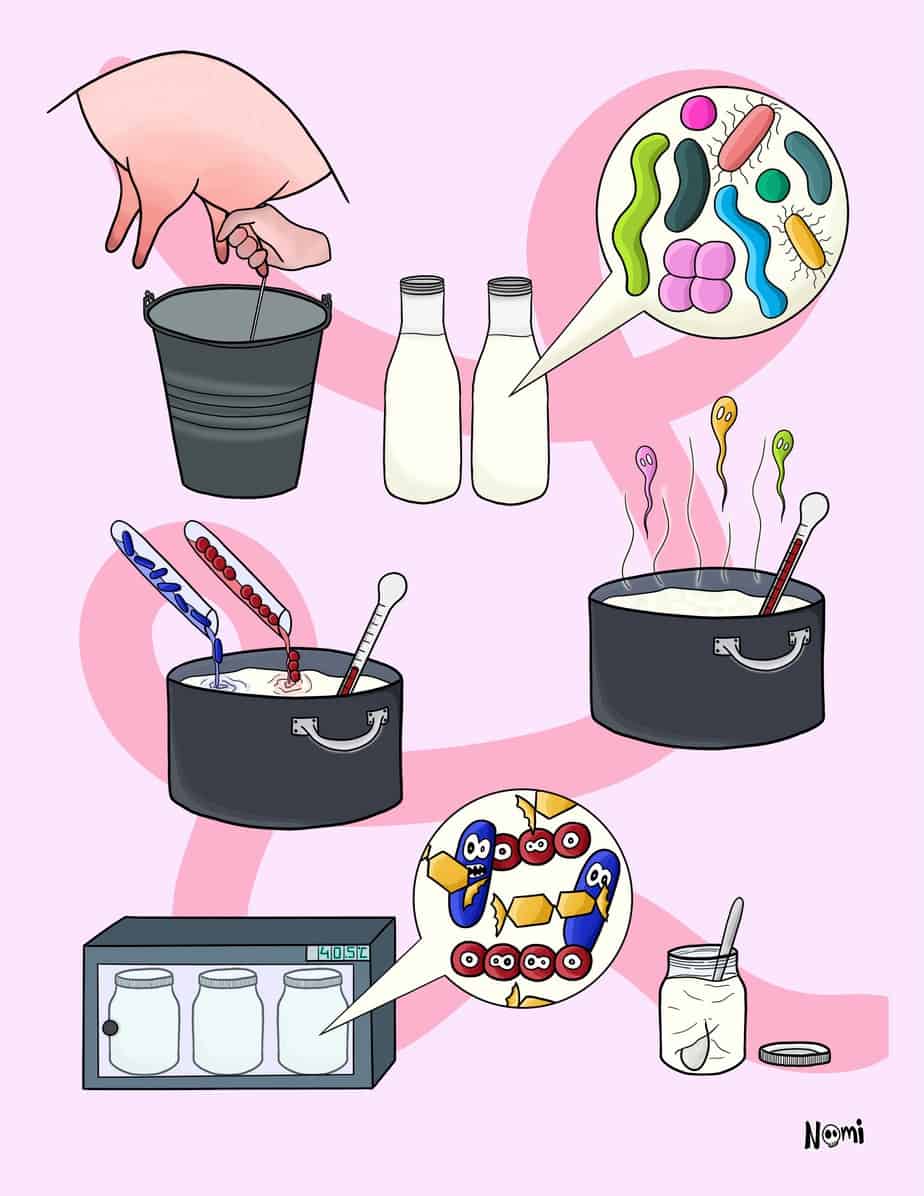
Yogurt is a well-loved fermented dairy with lots of health benefits. It not only provides us with valuable proteins and immune-stimulating molecules, but can also carry probiotic organisms. Here, we will look at the advantages of adding yogurt to your diet plan and what bacteria have to do with producing this creamy white dream.
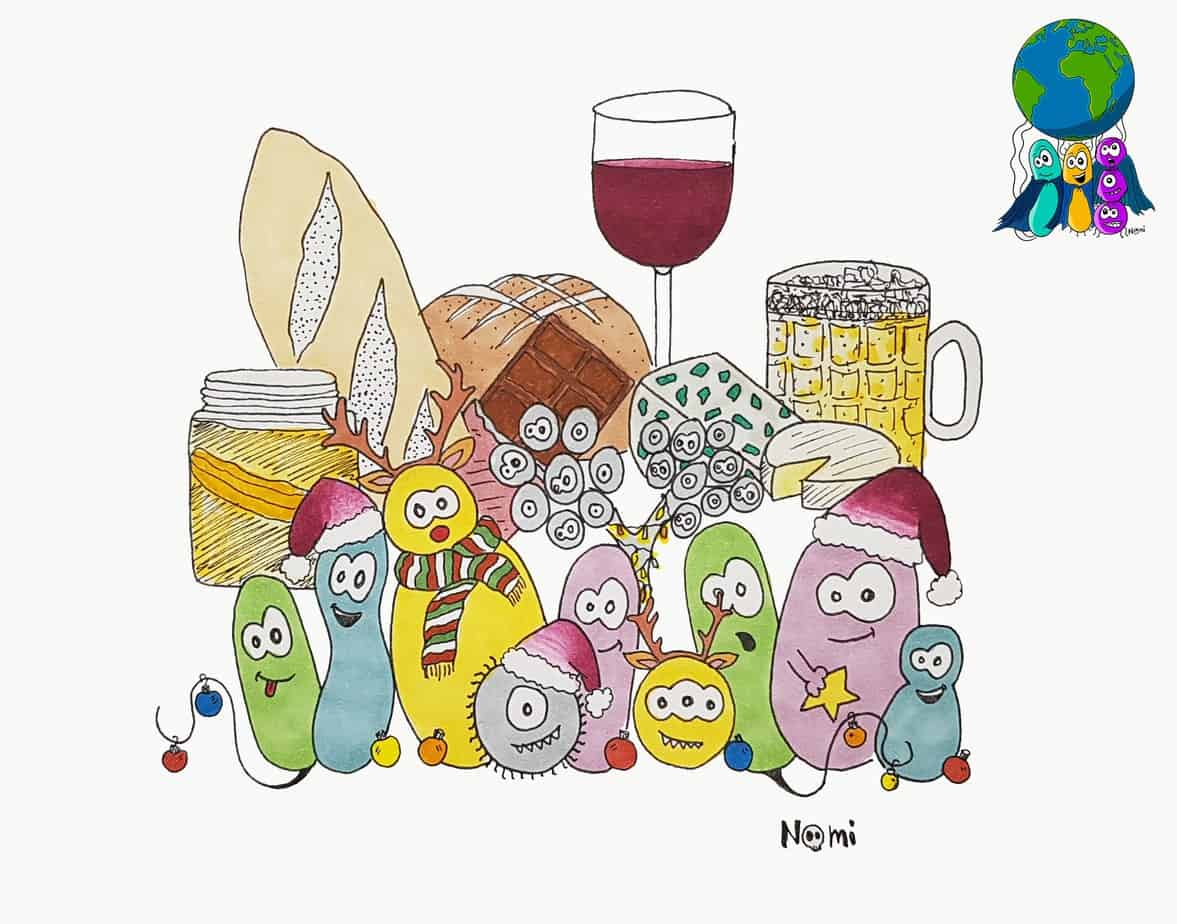
Microbes are everywhere, including our favorite foods. Learn how microbes help preserve foods while also adding flavors, textures, and nutrients to our meals.

When we eat plant products, we cannot always digest all their components. Instead, our gut bacteria love plant ploymers and start degrading and digesting them. And they share the leftover food with other bacteria, so that all of them together produce some very healthy molecules for us.
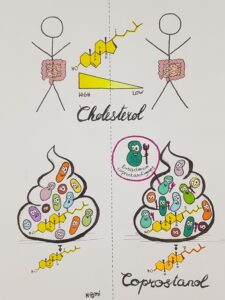
Scientists have found bacteria in our guts that degrade cholesterol. These bacteria can reduce our overall cholesterol levels and might have health benefits for us.

The microbial world is super colorful and diverse.
Even though, we sometimes hear too many negative news articles about certain players of the microbial world, we should not forget about all the other interesting and helpful microbes.
To remind you that the microbial world consists of so many more players, we assembled this list of common and interesting microbes.
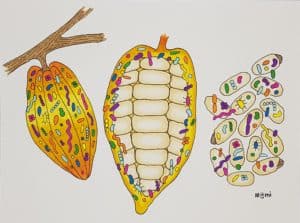
The bacteria and fungi living on cocoa beans degrade the sugars in the fruit. With this fermentation, the so-called cocobiota produces metabolites that give chocolate its delicious taste. Read about the microbes that are part of the cocobiota and why chocolate tastes the way it does.