

Bifidobacterium in the BacterialWorld

Not all gut bacteria eat the same food. Some live on what others leave behind.

Bifidobacteria are common inhabitants of the gastrointestinal tract, the vagina and the mouth in mammals, including humans. They are also among the first microbes to colonise the human gut during infancy. As a result, Bifidobacteria are seen as some of our earliest microbial inhabitants. They have been linked to digestive health, immune function, inflammation, cholesterol levels and the production of B vitamins.

But one of their most interesting stories is not just what they do alone. It is how they fit into the wider gut community. Bifidobacterium breve, for example, can use sugar residues released by other bacteria. In comparison, Bifidobacteria do not produce butyrate directly, but they can produce lactate that other butyrate-producing bacteria use. In this way, one microbe’s leftovers can become another microbe’s meal.

This makes Bifidobacteria more than just famous probiotic bacteria. They are part of a busy microbial food web inside our gut. Here, bacteria share food, transform it and produce various molecules. By interacting and collaborating, they help shape the fascinating ecosystem in our gut.

Learn about more bacteria

Short-chain fatty acids: what gut bacteria make from fibre

Everything we eat comes into contact with the bacteria living in our gastrointestinal tract. Our commensal gut bacteria transform the incoming food into different molecules, with short-chain fatty acids being the most important ones. These small molecules interact with your gut as well as the rest of your body. Certain factors, like diet influence which molecules and how much of them gut microbes produce.
How bacteria in your gut microbiome defend pathogens

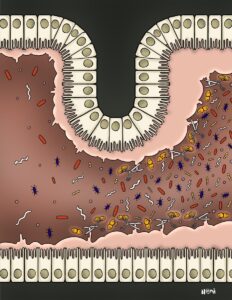
Bacteria in your gut microbiome help you digest your food, strengthen your immune system and keep you healthy. For this, your gut bacteria keep you free from gut pathogenic bacteria by fighting them with different weapons. Here, we explore some ways gut bacteria defend pathogens and how you can help them protect you.

What’s in your yogurt?

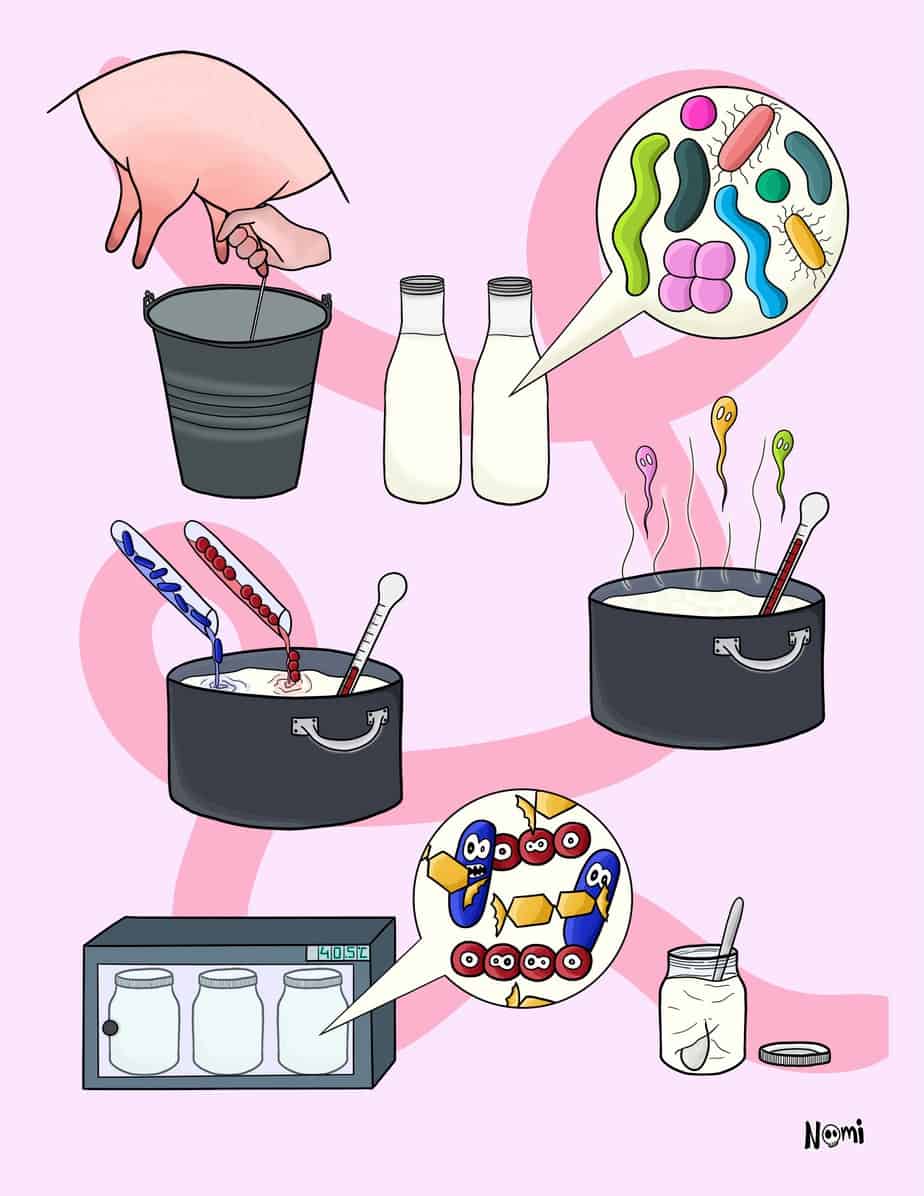
Yogurt is a well-loved fermented dairy with lots of health benefits. It not only provides us with valuable proteins and immune-stimulating molecules, but can also carry probiotic organisms. Here, we will look at the advantages of adding yogurt to your diet plan and what bacteria have to do with producing this creamy white dream.

You are what you eat: Gut bacteria share plant leftovers

When we eat plant products, we cannot always digest all their components. Instead, our gut bacteria love plant ploymers and start degrading and digesting them. And they share the leftover food with other bacteria, so that all of them together produce some very healthy molecules for us.