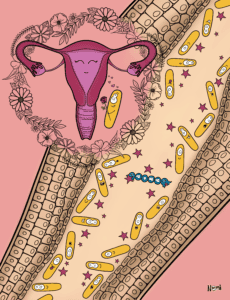
On the microbial adventures of pregnant women
Pregnancy transforms the body in remarkable ways. Some changes are obvious and you have heard of, like morning sickness and sudden cravings. Others are far
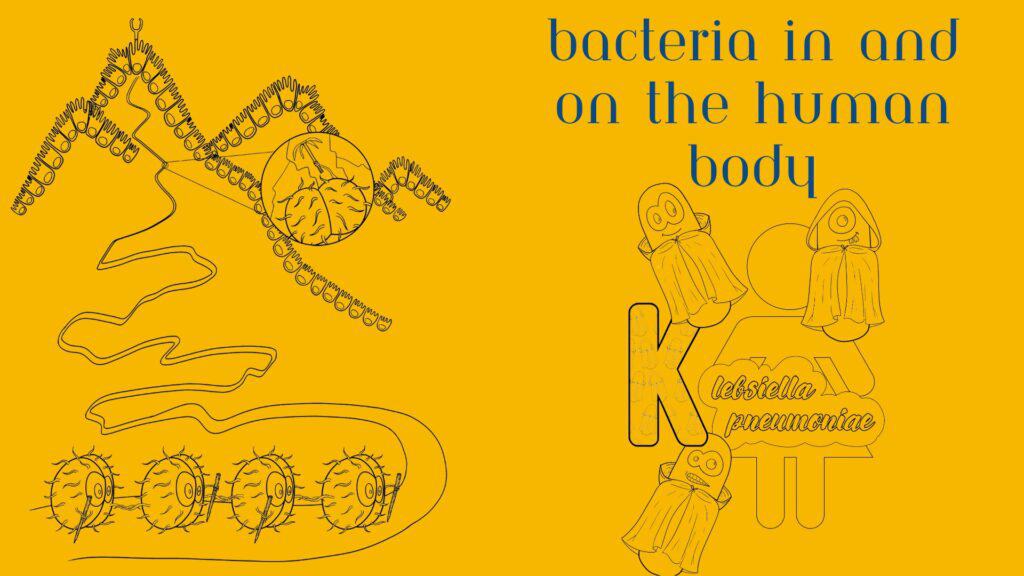
Bacteria influence the human body in many different ways – both positive and negative. Gut bacteria help our body digest food, strengthen the immune system and influence the way we think and feel. Some bacteria can also make us sick, while the friendly bacteria prevent the bad bacteria from entering our bodies. Our bodies and minds would surely not work the way they do if it wasn’t for the help from our little friends.
Pregnancy transforms the body in remarkable ways. Some changes are obvious and you have heard of, like morning sickness and sudden cravings. Others are far

Everything we eat comes into contact with the bacteria living in our gastrointestinal tract. Our commensal gut bacteria transform the incoming food into different molecules, with short-chain fatty acids being the most important ones. These small molecules interact with your gut as well as the rest of your body. Certain factors, like diet influence which molecules and how much of them gut microbes produce.
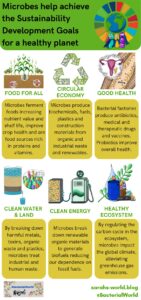
Microbes might just be the unseen heroes of sustainability! They impact everything from food production and healthcare to waste management and renewable energy. From producing eco-friendly materials and cleaning up pollution to helping fight climate change, microbes are essential in achieving the UN’s Sustainable Development Goals. Read on to learn how they help us create a greener future.
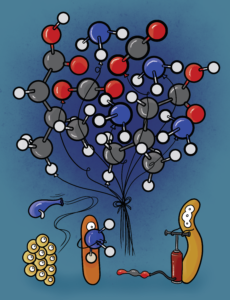
Bacteria create various smells in our world, from pleasant aromas like freshly baked bread to the less appealing ones like body odour. As bacteria produce volatile organic compounds as part of their metabolism, these contribute to the scents we encounter in our environment, food and even on our bodies. Learn about smelly examples such as the earthy scent of geosmin produced by soil bacteria, the unique aromas in fermented foods and the role of skin bacteria in creating our body odour and smelly feet.
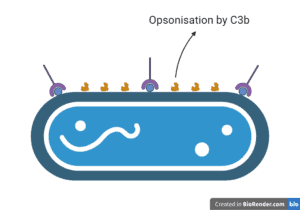
Your immune system is constantly patrolling your body, ensuring that it stays clean and free of disease. Every single day, every hour, every minute, pathogens are pouring in, attempting to call your body their home and cause disease. But your immune system has specialised drones who bring the fight directly to the intruders. These drones are the so-called complement system. They keep bacterial pathogens at bay to ensure that we stay healthy.
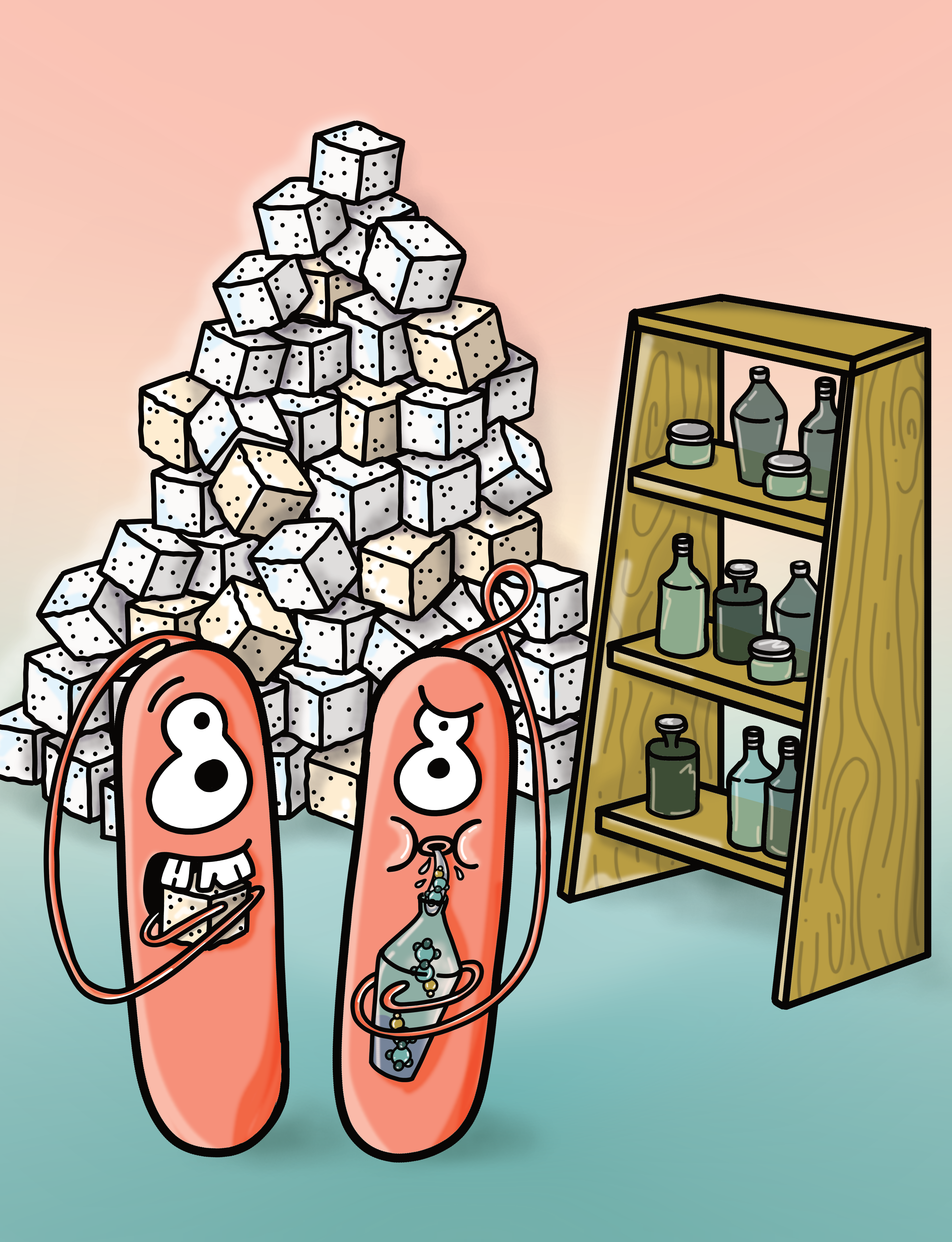
Microbial fermentation is a metabolic process that impacts our food, health and many industries. Microbes degrade substrates and convert them into fermentation products, with different species producing unique products. This process is essential in food preservation, creating diverse and complex flavours in fermented foods. Additionally, the microbes involved in fermentation can have health benefits when consumed. Microbial fermentation also plays a significant role in industrial production.
Bacteria and microbes are versatile tools in life science research. Read about a few ways of how bacterial research helps modern science.
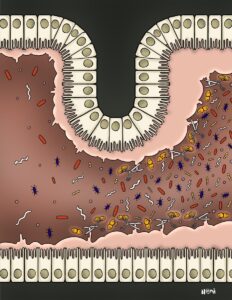
Bacteria in your gut microbiome help you digest your food, strengthen your immune system and keep you healthy. For this, your gut bacteria keep you free from gut pathogenic bacteria by fighting them with different weapons. Here, we explore some ways gut bacteria defend pathogens and how you can help them protect you.

Microbes and bacteria affect our lives in every possible way. This is why we should all learn more about these fascinating organisms and how to make the best of their impact. Here, I share with you my favourite books about microbes in which you learn how our amazing microbial friends influence your health, body and the environment and even shaped human history.
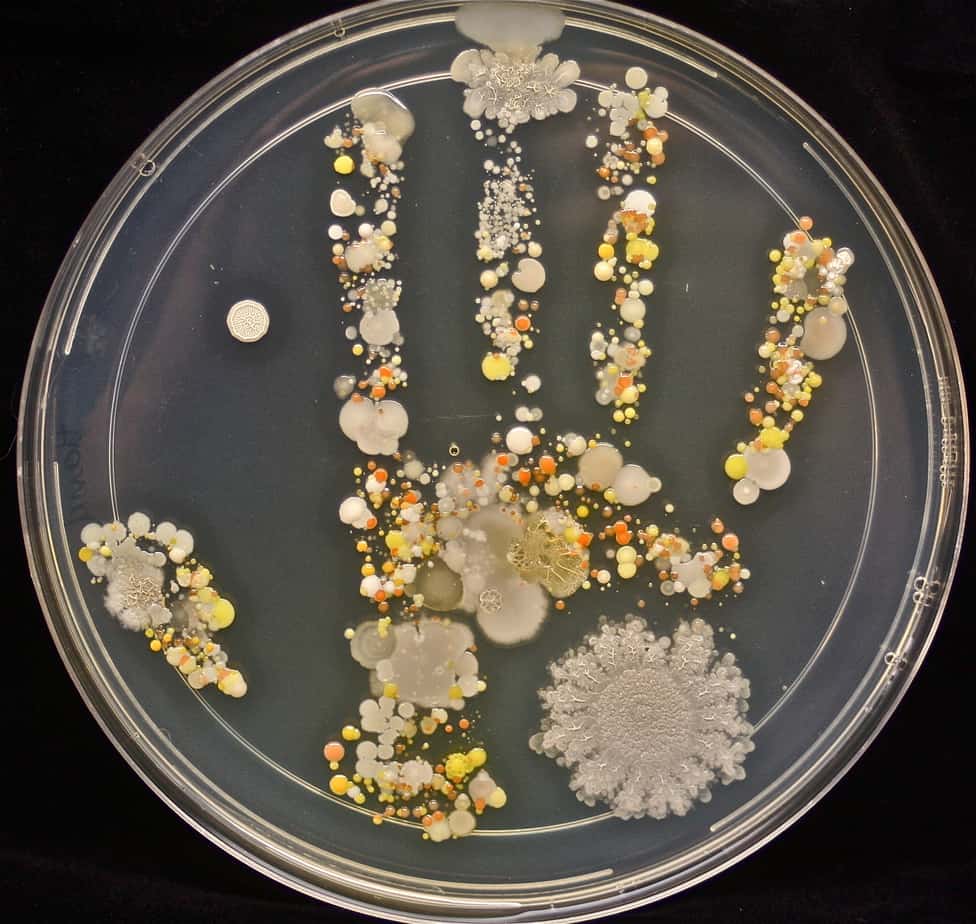
How often have you looked at your dirty hands and thought: “Better wash them to get rid of those bacteria!”. Actually, don’t rush to the nearest bathroom to wash them off. It turns out that every person always has bacteria on their hands. And these bacteria are part of everyone’s unique skin microbiome.
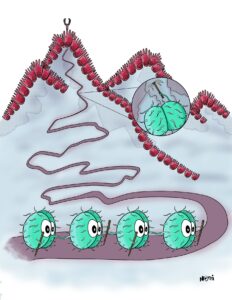
Some bacteria have special hair-like structures to connect to surfaces or other organisms. These bacterial pili help them move along that surface or pull themselves closer to a prey or host. Read about why bacteria need those pili when they are out hunting or infecting us.
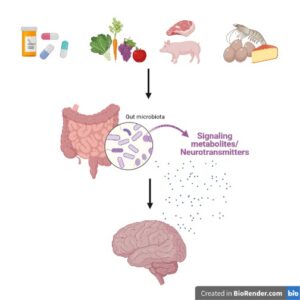
The microbes in our gut produce many different metabolites that improve our health. Some of these can travel to the brain and influence our mood and emotions. Read on to find out how our gut microbiome influences our mental health.
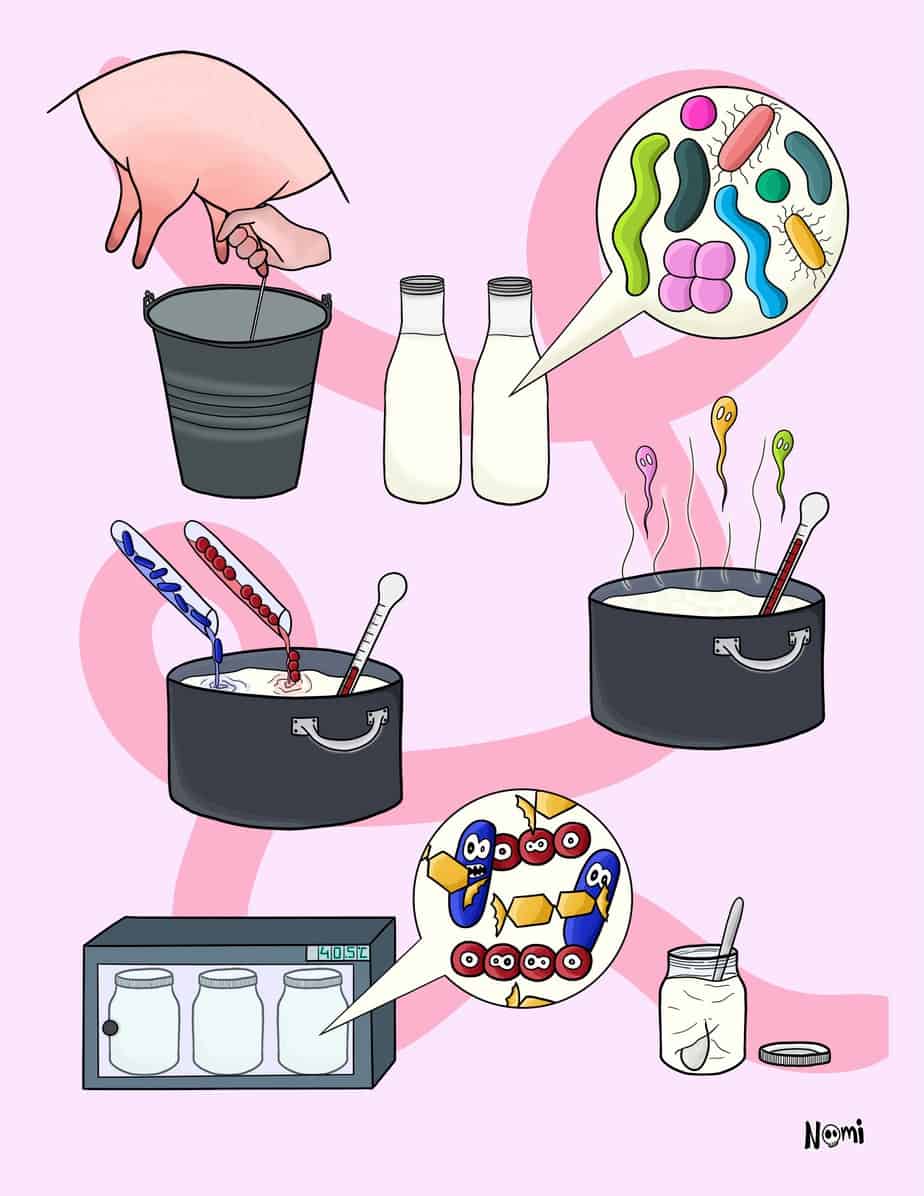
Yogurt is a well-loved fermented dairy with lots of health benefits. It not only provides us with valuable proteins and immune-stimulating molecules, but can also carry probiotic organisms. Here, we will look at the advantages of adding yogurt to your diet plan and what bacteria have to do with producing this creamy white dream.
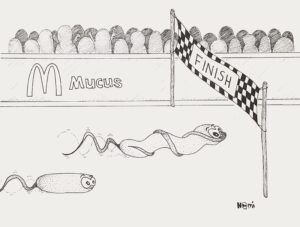
Bacteria swim through liquids with their flagella. Some bacteria even have two flagella at opposite ends that help them to swim through mucus and slime. This movement helps bacteria to infect the human body. Now, researchers start to better understand how these flagella work together to move the bacterium forward.

In bacterial battles, there is more than just direct killing. Some bacteria even fight by destroying the houses of their opponents. We could learn a lot from these bacterial wars for our own fights against bacterial superbugs.
Bacteria also don’t like being lonely and need to know they are not alone. And often they need to talk to other bacteria and interact with them. To do so, they use a mechanism called quorum sensing. Read on to find out more about this fascinating mechanism.
To fight nasty microorganisms, researchers need to come up with new strategies to develop vaccines. Turns out bacteria are extremely helpful to researchers, since they provide valuable tools.
Learn how researchers use bacteria to find new vaccines.
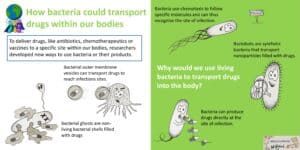
To overcome the medical problem of how drugs can reach a specific target within the body, researchers try to use new approaches. These are often based on bacteria or their products. Here, we will explore drug transport mechanisms for which we could use bacteria and their amazing superpowers.
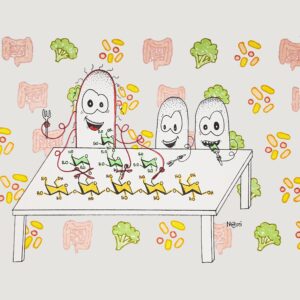
When we eat plant products, we cannot always digest all their components. Instead, our gut bacteria love plant ploymers and start degrading and digesting them. And they share the leftover food with other bacteria, so that all of them together produce some very healthy molecules for us.
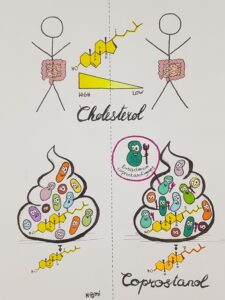
Scientists have found bacteria in our guts that degrade cholesterol. These bacteria can reduce our overall cholesterol levels and might have health benefits for us.