
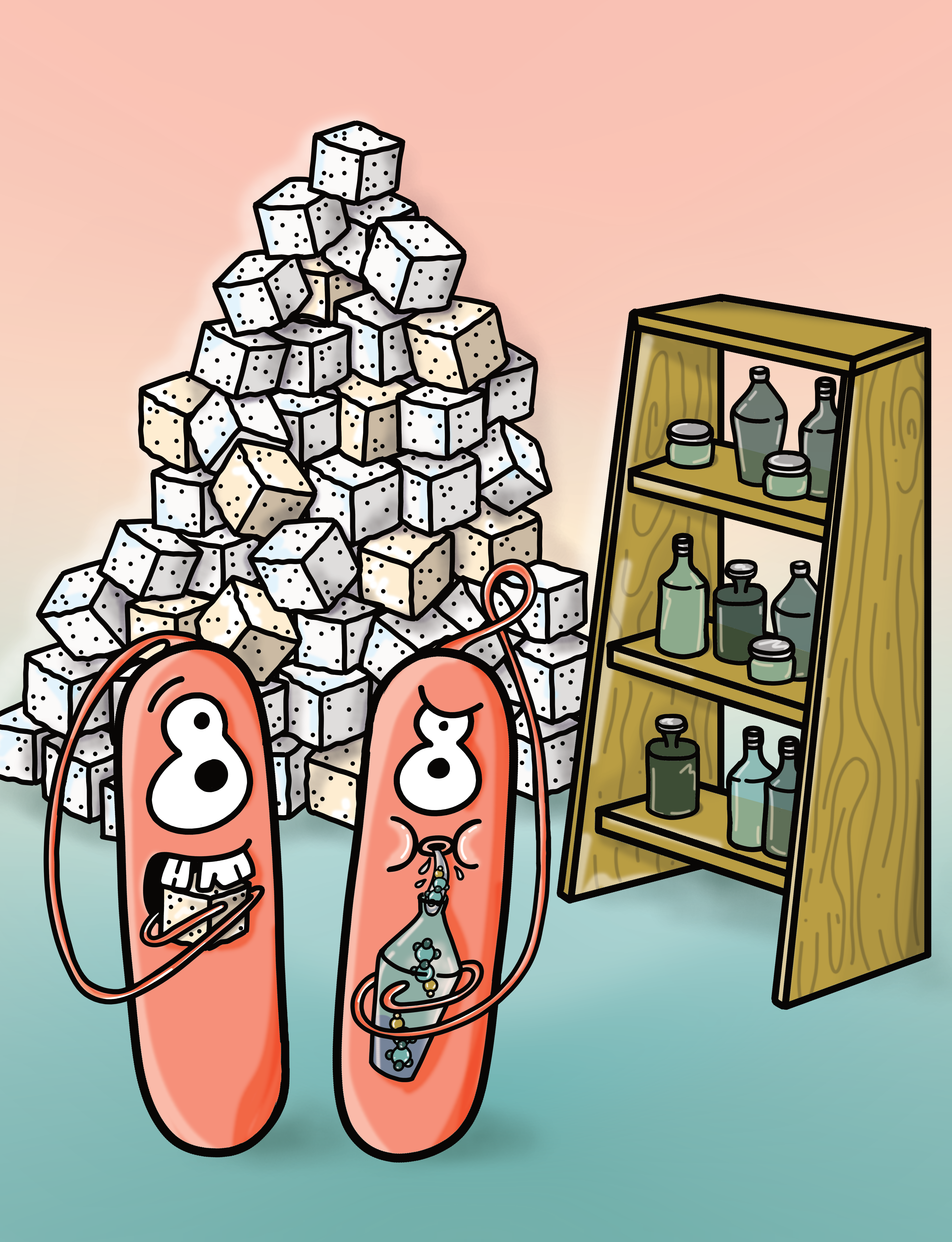
Propionibacterium in the BacterialWorld

Propionibacterium bacteria are generally found on human skin, including the face, scalp, chest, back, forehead and upper back. These include mainly Propionibacterium acnes, Propionibacterium granulosum and Propionibacterium avidum.

In particular, Propionibacterium acnes is a lipophilic anaerobe that thrives in sweat-producing glands. In this low-oxygen, oily habitat, it breaks down skin proteins and fats in sweat to adhere and feed. This releases volatile organic compounds, such as acetic acid and propionic acid. Both contribute to the distinct smell of sweat and help more bacteria grow on the skin.

But Propionibacteria can use the same metabolic superpower to make cheese more delicious. During cheese ripening, Propionibacterium freudenreichii produces complex molecules that help give cheese its flavour, texture and aroma.

Propionibacteria are heroes of transformation. In oily skin sites and in ripening cheese, these bacteria help convert odourless chemicals into something we can smell.

Learn about more bacteria

Microbial fermentation impacts our food, industry and health

Microbial fermentation is a metabolic process that impacts our food, health and many industries. Microbes degrade substrates and convert them into fermentation products, with different species producing unique products. This process is essential in food preservation, creating diverse and complex flavours in fermented foods. Additionally, the microbes involved in fermentation can have health benefits when consumed. Microbial fermentation also plays a significant role in industrial production.
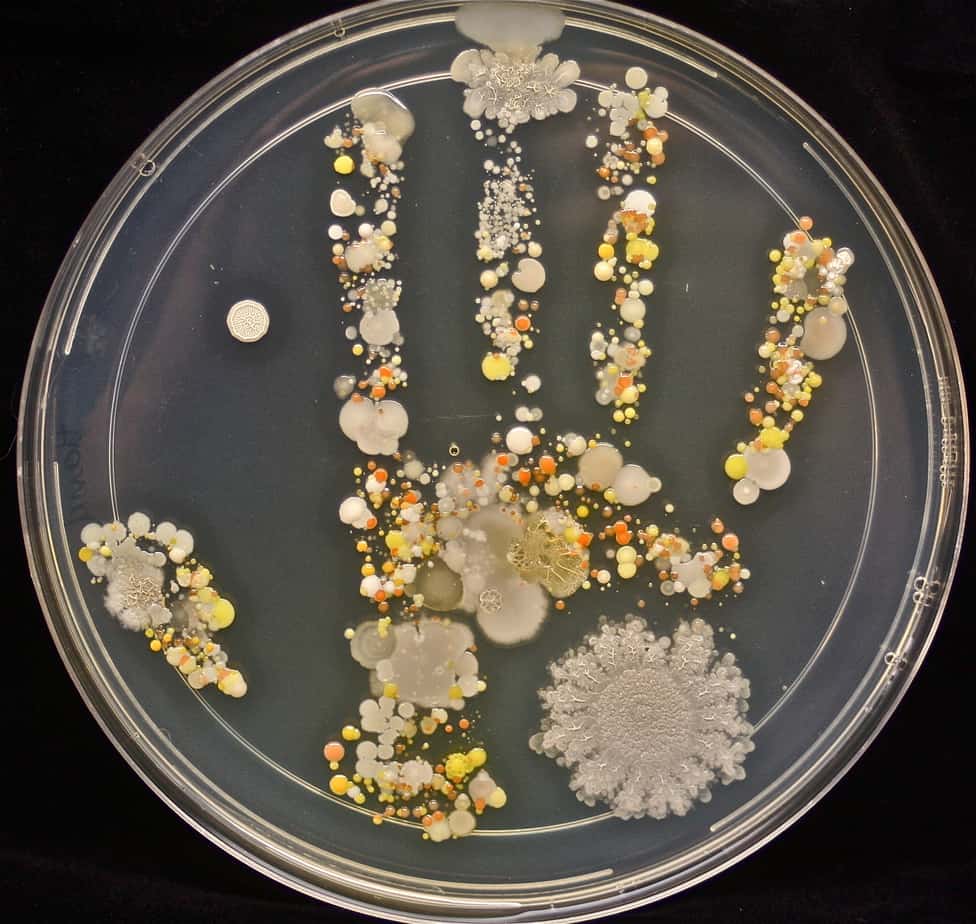
Microbial profile of the skin microbiome of a hand.

Bacteria on your hands strengthen your unique skin microbiome

How often have you looked at your dirty hands and thought: “Better wash them to get rid of those bacteria!”. Actually, don’t rush to the nearest bathroom to wash them off. It turns out that every person always has bacteria on their hands. And these bacteria are part of everyone’s unique skin microbiome.