The BacterialWorld and Human body

20 (giant) microbes everyone should have heard about

20 interesting microbes everyone should have heard about

The microbial world is super colorful and diverse.

Even though, we sometimes hear too many negative news articles about certain players of the microbial world, we should not forget about all the other interesting and helpful microbes.

To remind you that the microbial world consists of so many more players, we assembled this list of common and interesting microbes.

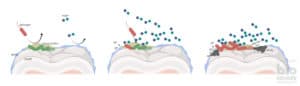
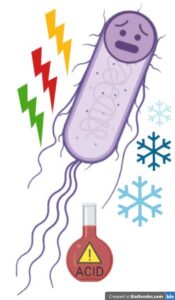
Bacteria cause caries by producing an acidic environment.

How bacteria cause caries on your teeth

Bacteria in your mouth protect your teeth from pathogenic bacteria. When you eat lots of sugars, the pathogens can fight off your friendly bacteria. The more pathogenic bacteria grow on your teeth, the more acids they produce that can cause caries and cavities. Learn about the bacterial battles in your mouths.

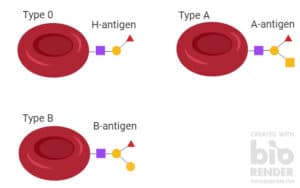
Human red blood cells have two different antigens on their surface

Bacteria changing blood types

Some bacteria in our guts have proteins that cleave off sugars from our blood cells. This can lead to temporally changing blood types to feed the bacteria.

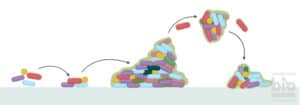
The bacterial cycle of biofilm formation

Bacteria building houses

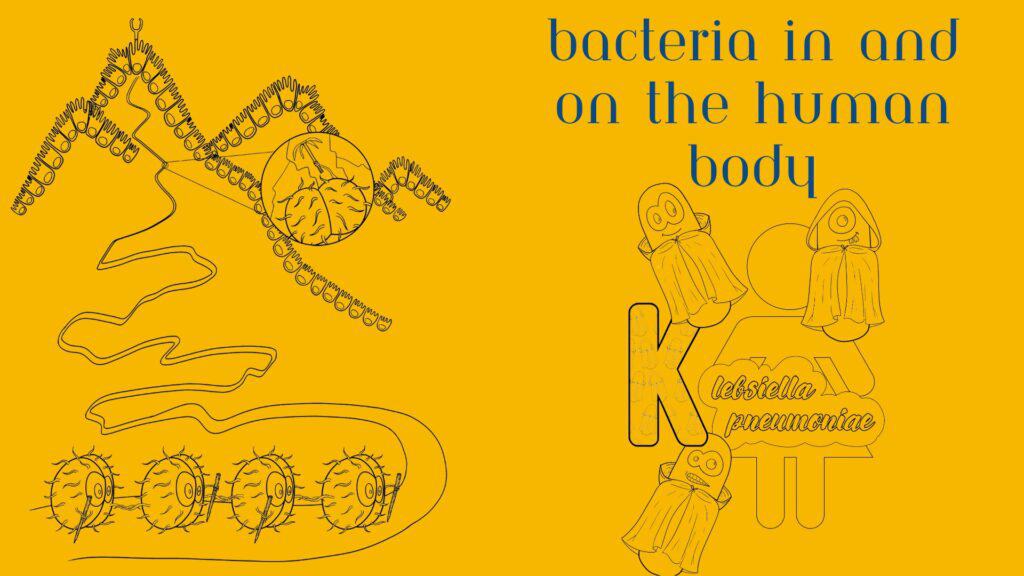
Bacteria can be major problems for human health. One of the reasons for that is because they have the ability to hide in their own houses. Such a house is called a bacterial biofilm which protect bacteria from harsh environments, toxic chemicals and to form a community within the biofilm.

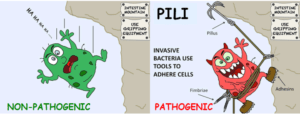
Invasive bacteria use attachment tools like pili and adhesins to adhere to cells

How bacteria get (too) attached

Pathogenic bacteria developed different mechanisms to attach to human host cells. However, our immune system learned to fight back, so that a constant battle between bacteria and host is happening in our bodies.

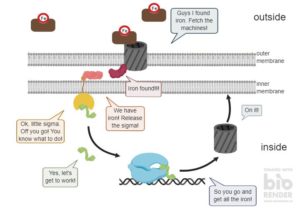
Regulatory circuit of how bacteria sense environmental signals. Membrane bound anti-sigma factor releases a sigma factor into the cytosol after signal binding which modifies gene expression

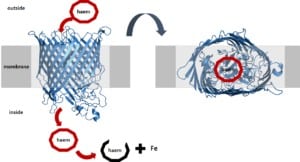
How bacteria sense iron in their environment

Bacteria sense iron in the environment via proteins that are transporters and receptors in one. The transporter imports iron, while the receptor tells the bacterium that iron is present on the outside. This activates a whole circuit so that the bacterium produces more transporters to capture as much iron as possible.