
This article is for general education and does not provide medical advice. If you have digestive symptoms or a medical condition, I advise you to speak to a qualified clinician.
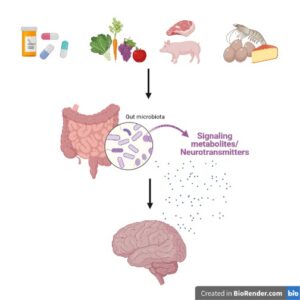
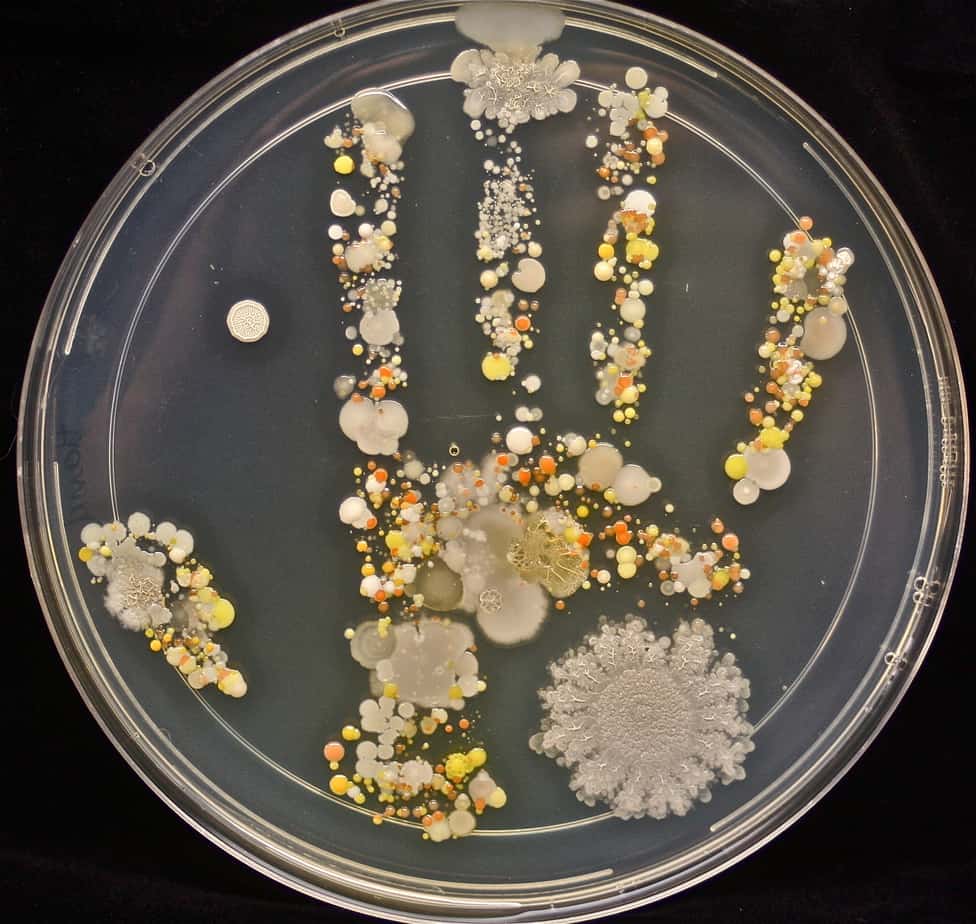
Whatever you do throughout your day, you are constantly bringing microbes onto and into your body. Especially when eating, you introduce a mix of microbes into your gastrointestinal tract.
In this dark, airless place, microbes flourish, working tirelessly to keep you in good shape. They improve your body’s health starting from the gut and strengthen your gut’s defences by fighting off unwelcome intruders.
Gut bacteria break down the food you eat from which they produce all sorts of molecules. The most important ones are called short-chain fatty acids. These small molecules impact the health of your gut and your overall body.
Here, we’re looking at gut bacteria that produce short-chain fatty acids and how they maintain the health of your gut. We’ll also explore ways to help bacteria make even more of these beneficial molecules.
Let’s start by understanding how your gut protects your body.
The mucus layer of the gut as a first line of defence
The food you eat passes through your body, yet it is always in contact with your body’s outer layer of cells. Only in the gastrointestinal tract do your gut cells absorb molecules from food and transport them into the body.
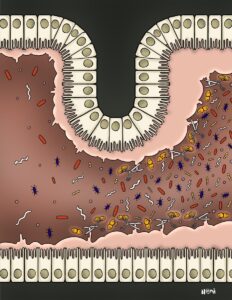
This means the outer layer of your gut, the so-called epithelium, faces away from the body and is in constant contact with the outside. One of its main jobs is to prevent harmful components from getting too close or even entering the body.
That is why goblet cells, which are special gut epithelial cells, produce a thick, slimy mucus. As they constantly secrete mucus, the cells actively push everything away from the epithelium, while the ever-growing mucus layer sits like a protective shield on top of the the intestinal epithelium.
When the mucus layer is too thin or broken, harmful microbes and bacteria can come into contact with the gut. This can trigger inflammatory immune responses, resulting in chronic diseases such as inflammatory bowel diseases.
Commensal gut bacteria produce short-chain fatty acids
While this slimy physical barrier is already a strong first line of defence for your gut, you can also rely on your gut microbes. Those that reside in and on your body over a long time are called commensal microbes.
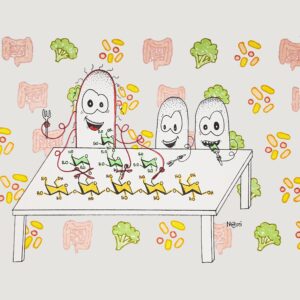
One way to make them stay with you is by feeding them their favourite foods. Gut bacteria eat what you eat, while some commensals like Ruminococcus gnavus and Akkermansia muciniphila also eat the mucus in your gut.
And from your food, the majority of gut commensals prefer the dietary fibre. That is the indigestible part of plant-based foods as it passes through your small intestine unchanged. Once it reaches the large intestine, your gut bacteria get to work.
They break down the fibre, ferment it and produce all sorts of molecules from it. The most important group of molecules are the short-chain fatty acids, including acetate, propionate and butyrate.
The commensals Bacteroides thetaiotaomicron, Bifidobacterium longum, Eubacterium and Blautia coccoides are actually some of the best-known producers of short-chain fatty acids. Just by eating a lot of dietary fibre, you increase both the different microbial strains growing in your gut and the amount of short-chain fatty acids they make.

How short-chain fatty acids improve gut health
From the gut, short-chain fatty acids diffuse through the mucus and reach the epithelial layer. Here, they bind to receptors on the goblet cells and activate certain pathways.
They trigger goblet cells to grow and produce more mucus. This increasing mucus layer, in turn, protects more effectively against harmful bacteria while providing more food for your commensals.
For example, two gut bacteria, Akkermansia muciniphila and Blautia coccoides, produce the short-chain fatty acids acetate and propionate. Both molecules trigger gut cells to make more mucus, improving gut health and feeding commensal bacteria while fighting off intruders. In mice, Bifidobacterium longum induces the growth of mucus, likely by producing acetate.
The diet-microbiome-gut health connection
Now, let’s tie all these pieces together: By eating plant-based fibres, you feed your beneficial gut bacteria. These digest and ferment the fibre and produce short-chain fatty acids, which bind to your gut cells and trigger them to produce more mucus. This increasing mucus layer shields off your gut while feeding your gut bacteria.
Generally, the more fibre we eat, the more beneficial bacteria live in our guts. They become more active at digesting fibre since they lose their appetite for the mucus.
Beneficial bacteria like Blautia can even be found in human stool after 12 weeks of eating high-fibre diets. Hence, it seems that the commensal Blautia decides to settle down in your gut depending on what you eat. So, by eating food full of fibre, you can attract helpful bacteria to you.
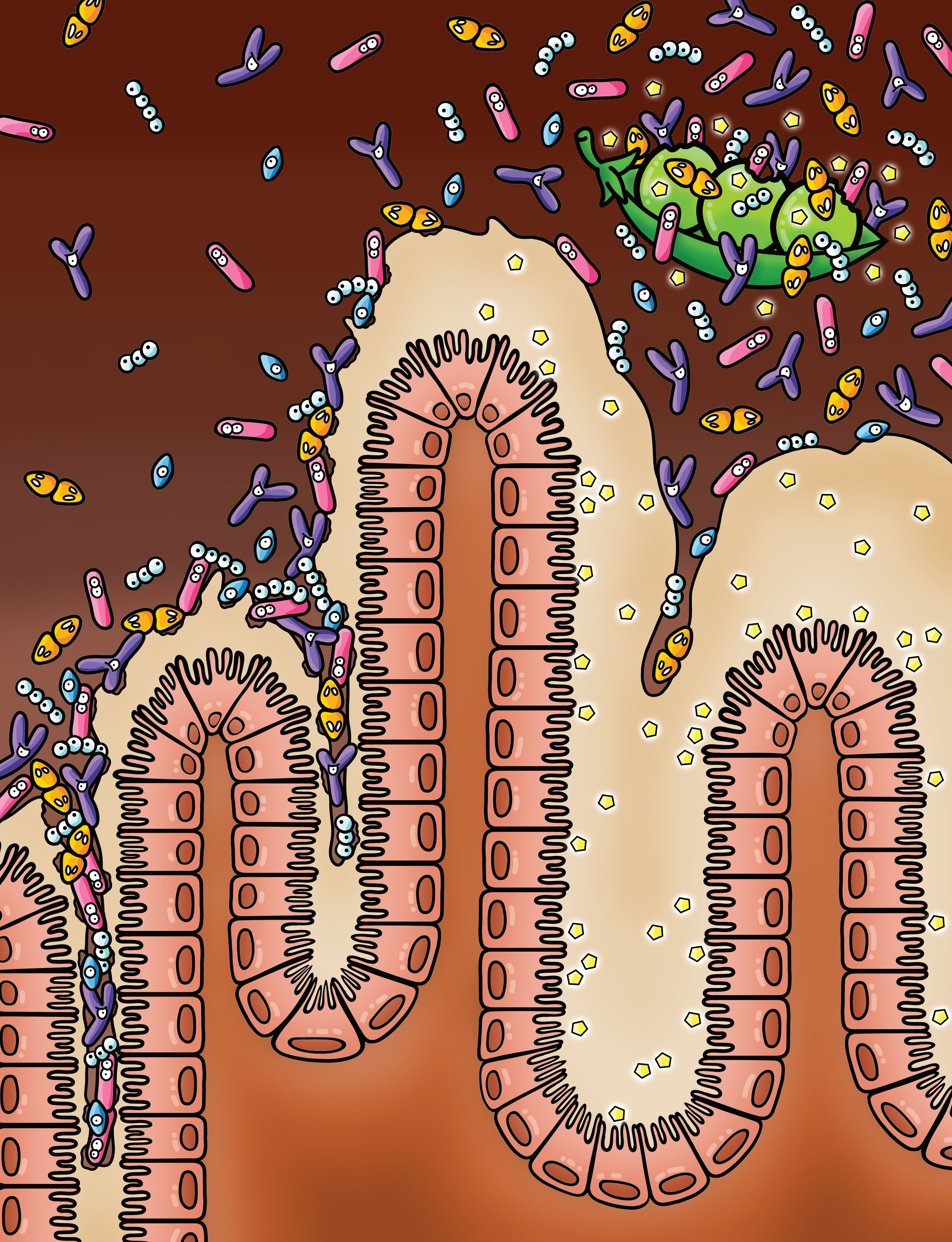
On the other hand, when you eat little fibre, your gut bacteria start eating your mucus layer, since their preferred substrate is not available. This can lead to inflammation and other gut health issues.
You are what you and your bacteria eat
When considering the role of your gut bacteria for your health, the saying “you are what you eat” may take on a new meaning.
By eating a lot of different plant fibres, you’re not just feeding yourself — you’re also feeding the bacteria in your gut. Your food gives them the right fuel to produce short-chain fatty acids that strengthen your gut’s protective layer and gut health. This, in turn, impacts the health of your body, mind and cardiovascular system and even your emotional and mental wellbeing.
Hence, by eating more veggies, fruits and seeds with lots of fibre, you influence which types of bacteria live close to and inside of you. So, what you eat affects how you feel, quite literally from the inside out.
Your gut bacteria will thank you for that extra serving of vegetables. To show their gratitude, they’ll provide you with all the good stuff to keep you healthy.