Explore the bacterial world with vivid stories and players

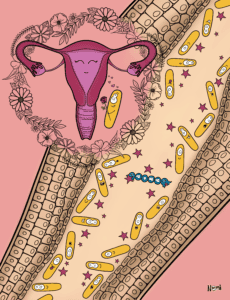
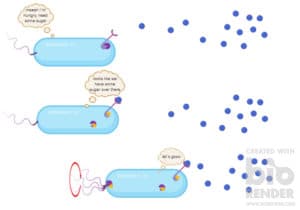
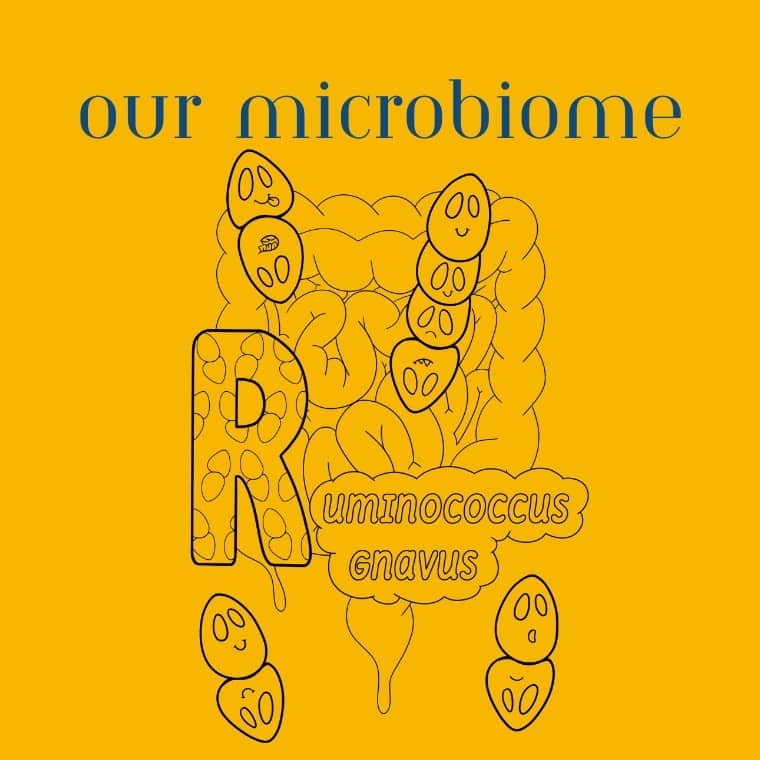
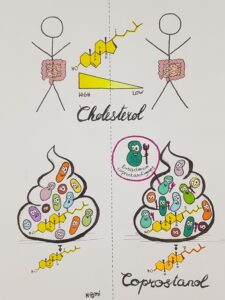
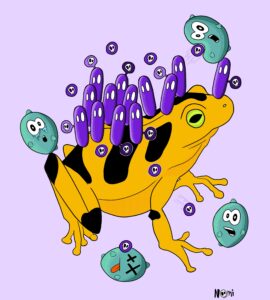
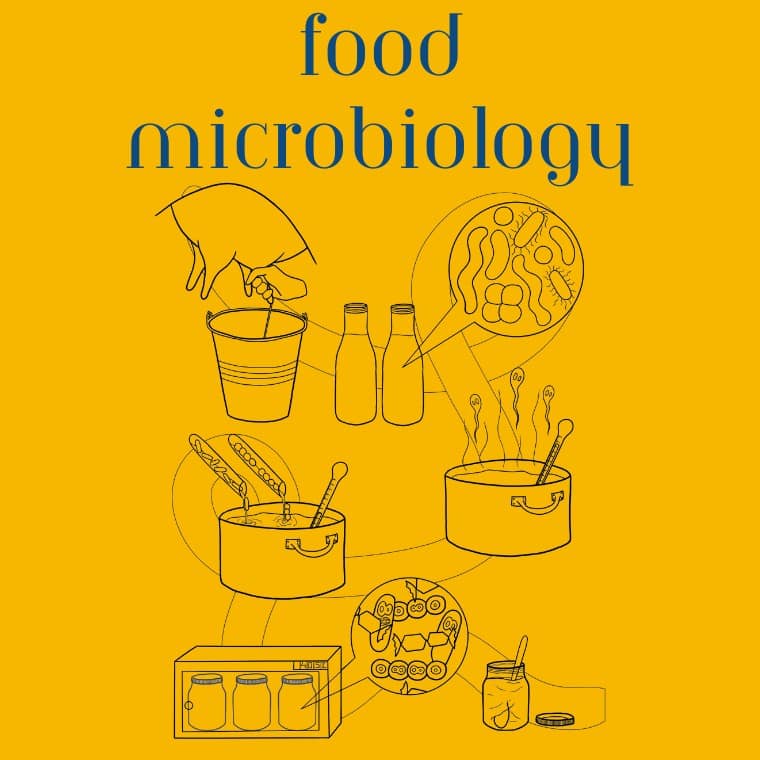
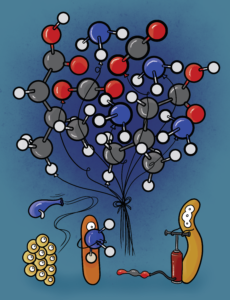
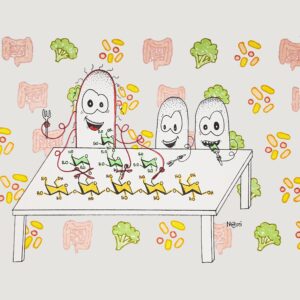
Everything we eat comes into contact with the bacteria living in our gastrointestinal tract. Our commensal gut bacteria transform the incoming food into different molecules, with short-chain fatty acids being the most important ones. These small molecules interact with your gut as well as the rest of your body. Certain factors, like diet influence which molecules and how much of them gut microbes produce.
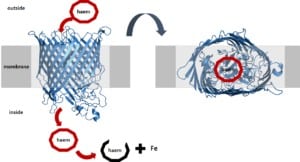
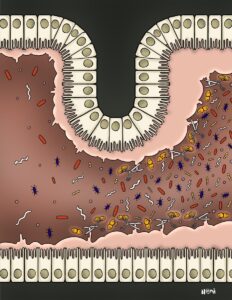
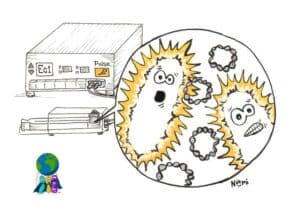
Antibiotics are often described as 'magic bullets', but bacteria will surely disagree. To them, antibiotics are molecules that try to kill them by disrupting essential cellular processes. In this post, we'll discuss how antibiotics work and why bacteria experience so-called stress upon an antibiotic attack.
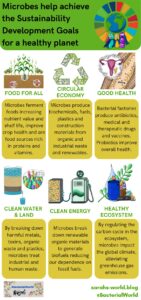
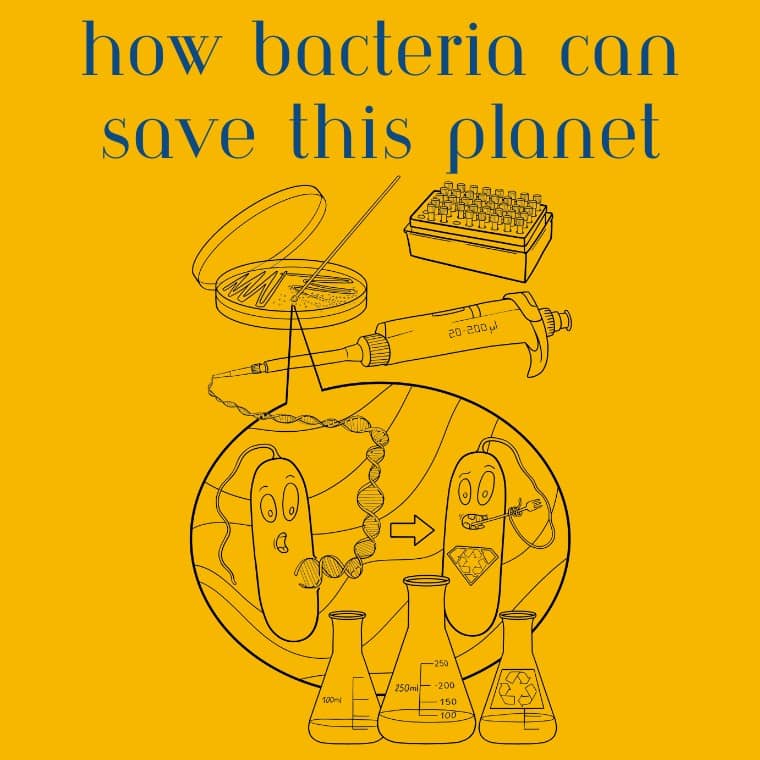
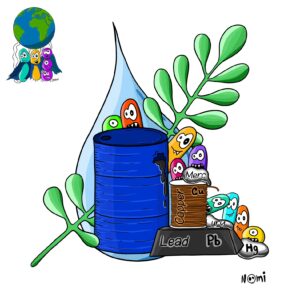
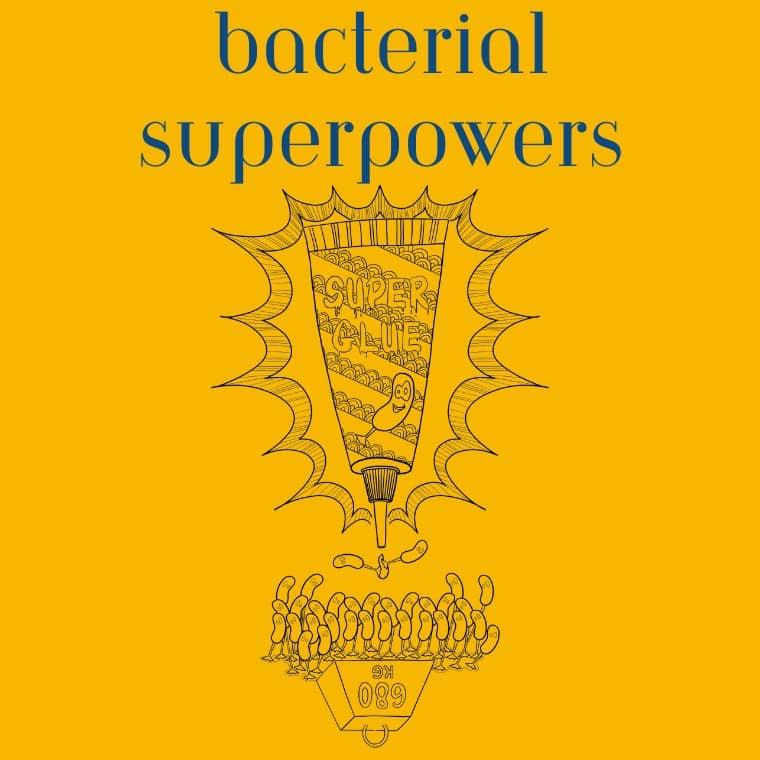
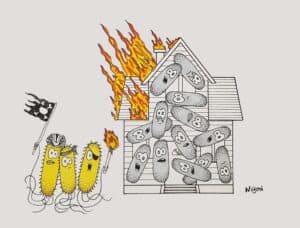
Microbes might just be the unseen heroes of sustainability! They impact everything from food production and healthcare to waste management and renewable energy. From producing eco-friendly materials and cleaning up pollution to helping fight climate change, microbes are essential in achieving the UN's Sustainable Development Goals. Read on to learn how they help us create a greener future.

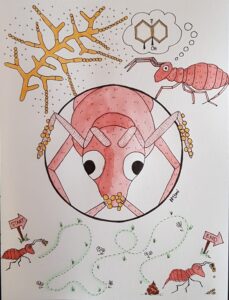
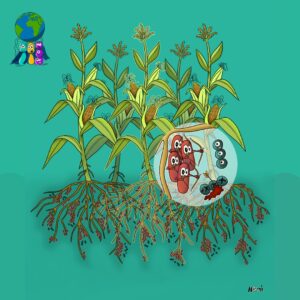
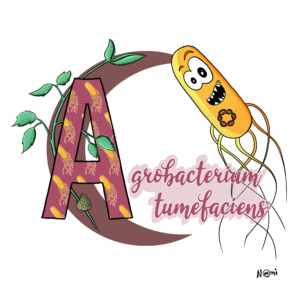
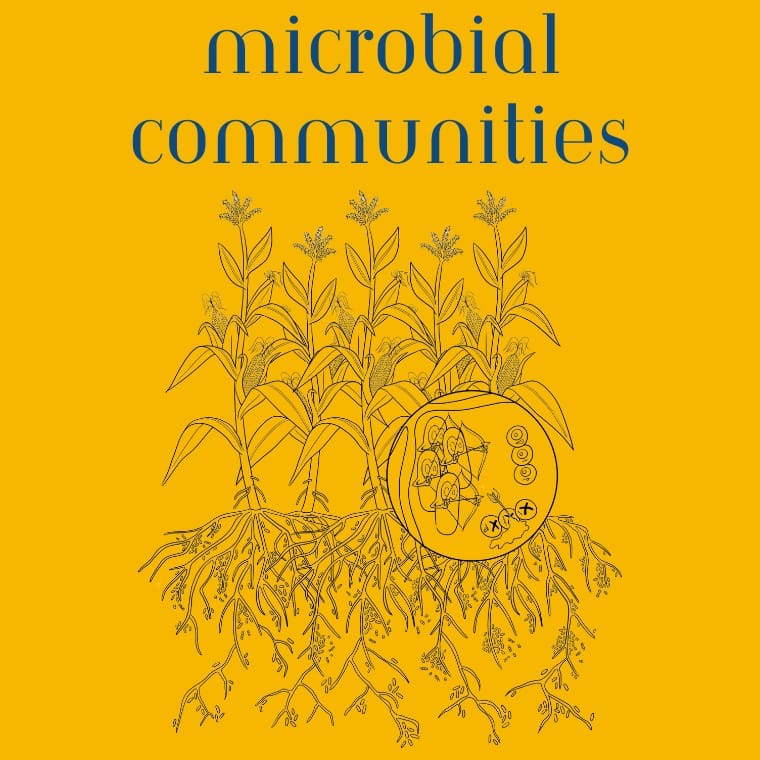
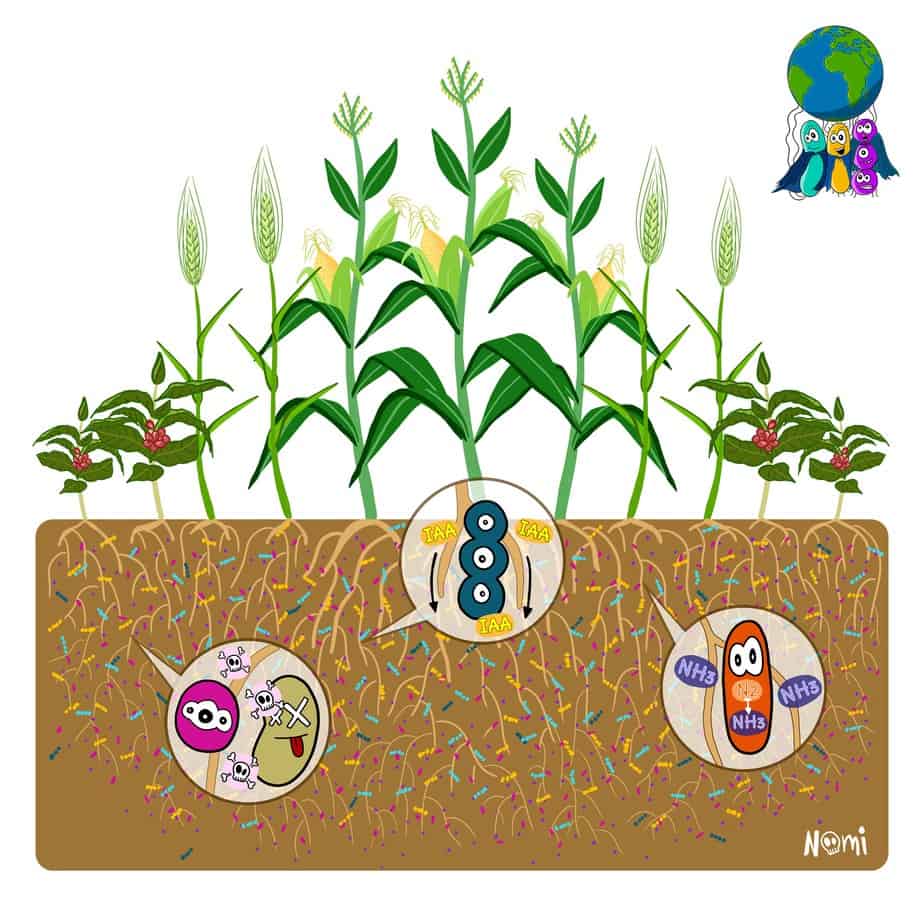
Like all organisms, plants need nitrogen to grow and produce crops. But since they cannot directly use nitrogen from the atmosphere, they rely on bacteria to fix the nitrogen for them. In exchange, plants provide them with sugars, energy and protection from their surroundings. Read on to learn more about the nitrogen-fixing superpower of bacteria and why it is crucial for our global food production.

Learn about microbes, bacteria and their superpowers

Why we love talking about bacteria

Explore our resources on bacteria

Do you want to spread your love for bacteria?